


One thing all size businesses have in common is the desire for success. Whether you’re a small business taking its first steps towards new customers or a multi-national behemoth, each company understands the value of having a plan.
Throughout this article, we’ll speak about what a marketing plan is and how you can create one for your business.
What is a Marketing Plan?
A marketing plan is a roadmap that is used to strategise, organise, manage and track your business’s marketing efforts.
It’s used to implement new content, products and services that reach and convert your target audience, and promote future business growth.
To sum up, a marketing plan helps to:
- Identify your target audience
- Find the best channels to reach them
- Optimise strategies for leads and conversions
- Track and analyse data
- Retain customers
Why is a Marketing Plan Important?
It’s the compass used to navigate your ship.
Without a solid plan or direction for where you want your business to go, it’s more difficult to achieve business goals.
What we see often, especially for businesses initially trying their hand at marketing, is an attitude of throwing ideas at a wall to see what sticks.
In other words, they tend to waste precious time, staff resources and money on different marketing channels but either don’t get the results they hoped for, or they have no measurable way of tracking and analysing the results.
If you don’t know where you’re going wrong, it’s really hard to correct the course.
A marketing plan helps everyone involved understand the overarching objectives of a campaign and focus their efforts accordingly.
Tracking and measuring the data allows you to see what’s working and what isn’t and come up with strategies to get things back on track.

What Should Be Included?
To get things started you’ll need to include some key points in your plan.
We suggest including these steps in creating your marketing plan:
1. Business Summary
- Company Name
- Mission Statement
- SWOT Analysis
2. Business Initiatives
- Overarching initiatives: marketing initiatives, goals, metrics
3. Target Market
- Industry Name
- Buyer Persona(s)
- Competitive Analysis
4. Market Strategy
- Product
- Price
- Promotion
- People
- Process
- Physical Evidence
5. Budget
6. Marketing Channels
Next, we’ll break each section down in more detail.
How To Create a Marketing Plan
Discover the seven essential steps to crafting a powerful marketing plan.
Let’s explore each one to uncover the keys to strategic success:
1. Business Summary
This includes your business’s name, location and what it is you want to achieve.
For example, you might be a personal care company based in Amsterdam, looking to “bring a new haircare range to market”.
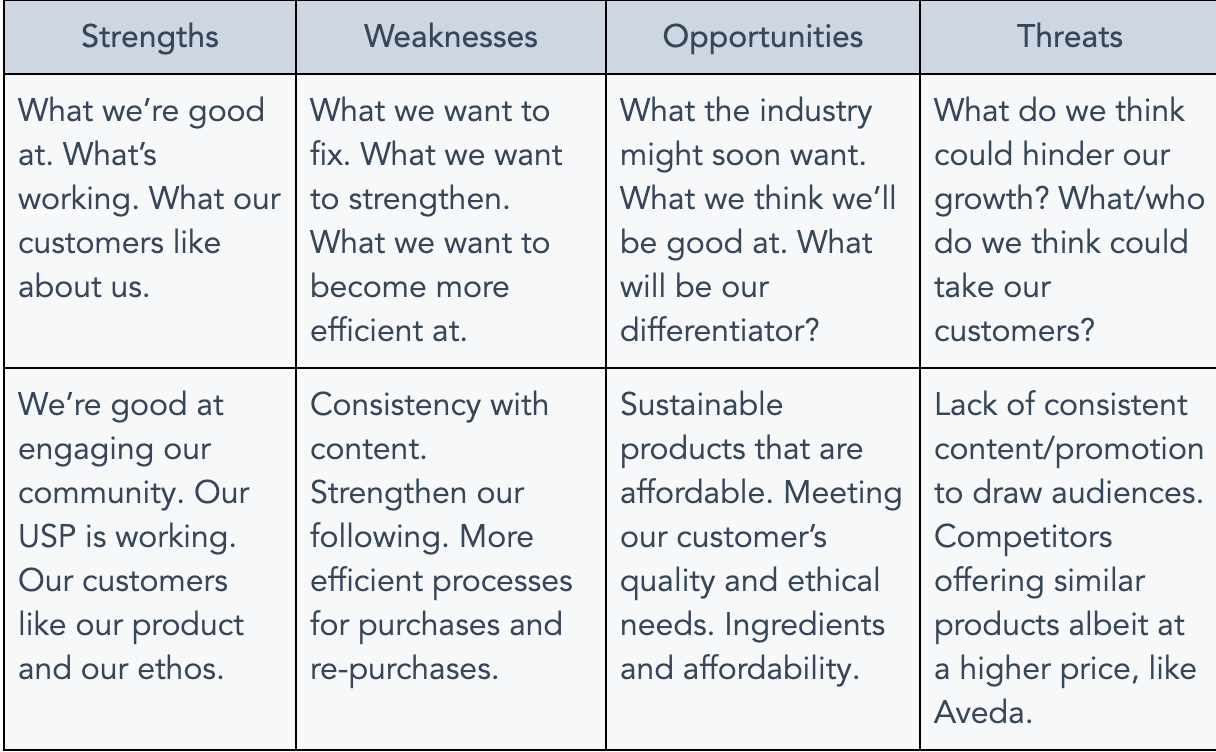
With a SWOT analysis, we want to look at the Strengths, Weaknesses, Opportunities and Threats related to our business.
Here’s an example of a SWOT analysis for a new-to-market haircare range:
2. Business Initiatives
This outlines the strategies a company will use to move towards their goal.
For example, this could be:
- Starting a blog to attract website visitors
- Building a following on social media to raise brand awareness
- Launching a Google Ads campaign to increase website traffic
The business initiatives tell us which methods and channels we can leverage to achieve our overarching goal.
3. Target Market
Here we identify which industries and markets we want to target for our product or service.
Using our example we would target the Personal Care industry which includes:
- Our website
- Online retailers
- Physical stores
Next, we create buyer personas to define our ideal target audience.
Buyer personas include the following information:
- Age
- Profession
- Hobbies and Interests
- Motivations
- Challenges
- Preferred Communication Platform (email, socials etc)
Check out this example for Active Abby:
Persona 1: Active Abby
Active Abby is 24 years old and works as a gym class instructor.
Abby spends her free time keeping fit by rowing and climbing.
She craves adventure and shares her passion online through social media.
Abby loves catching up over coffee and vegan cakes with her friends and supports environmentally-friendly causes.
Ultimately, Active Abby wants a haircare range that can withstand her active lifestyle but one she can feel good about using too.

This helps us measure how our company understand its unique value proposition and how it compares to our competitors, exposing potential opportunities to outperform them.
A competitive analysis shows us:
- Market trends
- Gaps in the market
- Informs the development of new products to solve pain points
- Gives indicators of how to sell and market more effectively
4. Market Strategy
Often referred to as the 7P’s of marketing, this world-renowned marketing concept outlines the entire journey from the product inception, to how it’s promoted, to who’s involved and how people can get it.
Here’s a brief summary of each one:
- Product – What it is and its unique value proposition
- Price – How much it is and how it fares against competitors
- Place – Where your product will be available to purchase
- Promotion – Summary of channels and methods used to achieve business goals
- People – Which departments and/or individuals will be responsible for executing the plan
- Process – How will you deliver your product to your customer and the process involved
- Physical Evidence – How your customer interacts with your product. From branding to packaging, the website and social media, all the way through to email communications and customer service.
5. Budget
A marketing budget will outline all of the expenses associated with running your quarterly or annual campaign.
This could be paid promotion like social media ads, marketing tools such as email automation, staffing costs, content creation and more.
Gartner report that businesses generally spend 7-10% of their overall revenue on marketing costs. Some common marketing cost examples include:
These help to plan and schedule social media posts.
They also have built-in analytics to gather insights on what content is performing well which helps to inform your company’s social media strategy.
2. Content Creation Tools and Design Tools
Creation and design tools are the platforms you’ll use to create your content.
From writing blog posts to designing social media posts, editing video footage to creating email sequences.
3. Lead Generation Tools and CRO
This has a lot to do with conversion rate optimisation, the art of increasing online traffic, sales and directing customer actions using analytics.
4. Data Analytics and Reporting
Running a marketing campaign is great but without proper data and reporting, a lot of it can be guesswork.
Analytics tools like Google Analytics break down how your customers are interacting with your company which allows you to compile reports for management and other team members.
5. Collaborative Tools for Teams
These are apps or programs that connect your entire team.
They allow us to manage and organise all of our marketing efforts into a single place, accessible to everyone involved.
This helps communication, productivity, data sharing, task management and more.
There is plenty more that can be added to this list but here, we have an idea of what a typical marketing budget can expect to include.
6. Marketing Channels
Once a business has established a definitive budget (e.g. €10,000) you can start allocating that budget to each channel.
Check out this example from Statista:
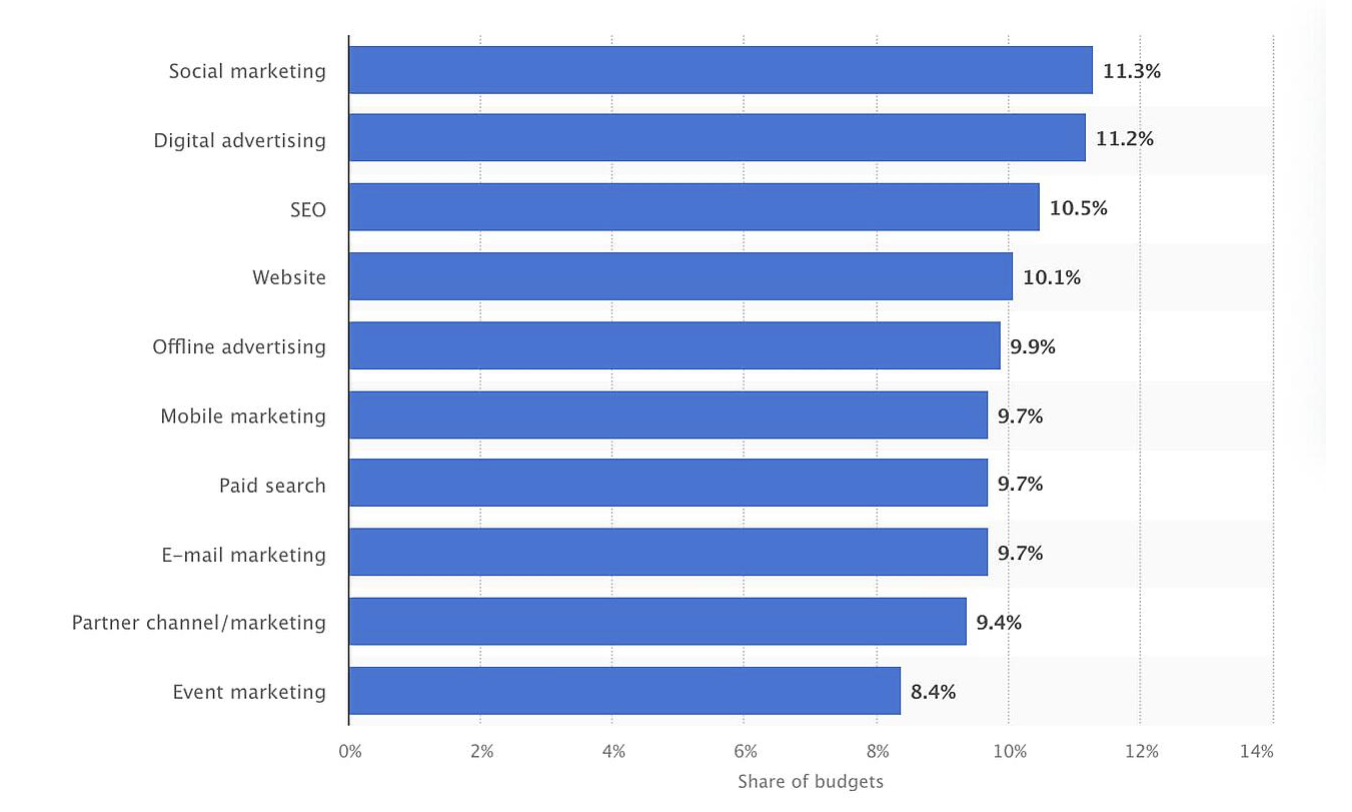
The type of channel and the budget will vary massively between different-sized companies.
A small business might have a limited budget, so they’ll only look at one or two marketing channels quarterly.
They likely seek out free versions of marketing tools rather than paid ones designed for larger teams.
Medium to large-sized companies tend to have bigger marketing departments and frequently invest in marketing strategies, on an annual basis.
They can afford to try several channels and tools to help achieve their business goals.
7. Stay Focused and Measure Your ROI
Marketing can be a minefield today, with so many avenues to explore and even more tools to help you along the way but always keep your priorities at the forefront of everything you do.
Remind yourself of the original mission statement and executive summary – “We want to achieve X.”
As your marketing plan unfolds over the coming weeks and months, measure the data and identify which channels are making a positive return on investment.
These are the ones you’ll want to allocate larger budgets to for the next campaign.
Marketing Plan Templates
In this article, we used one of HubSpot’s marketing plan templates.
You can find it here.
Check out these other templates that are available to download:
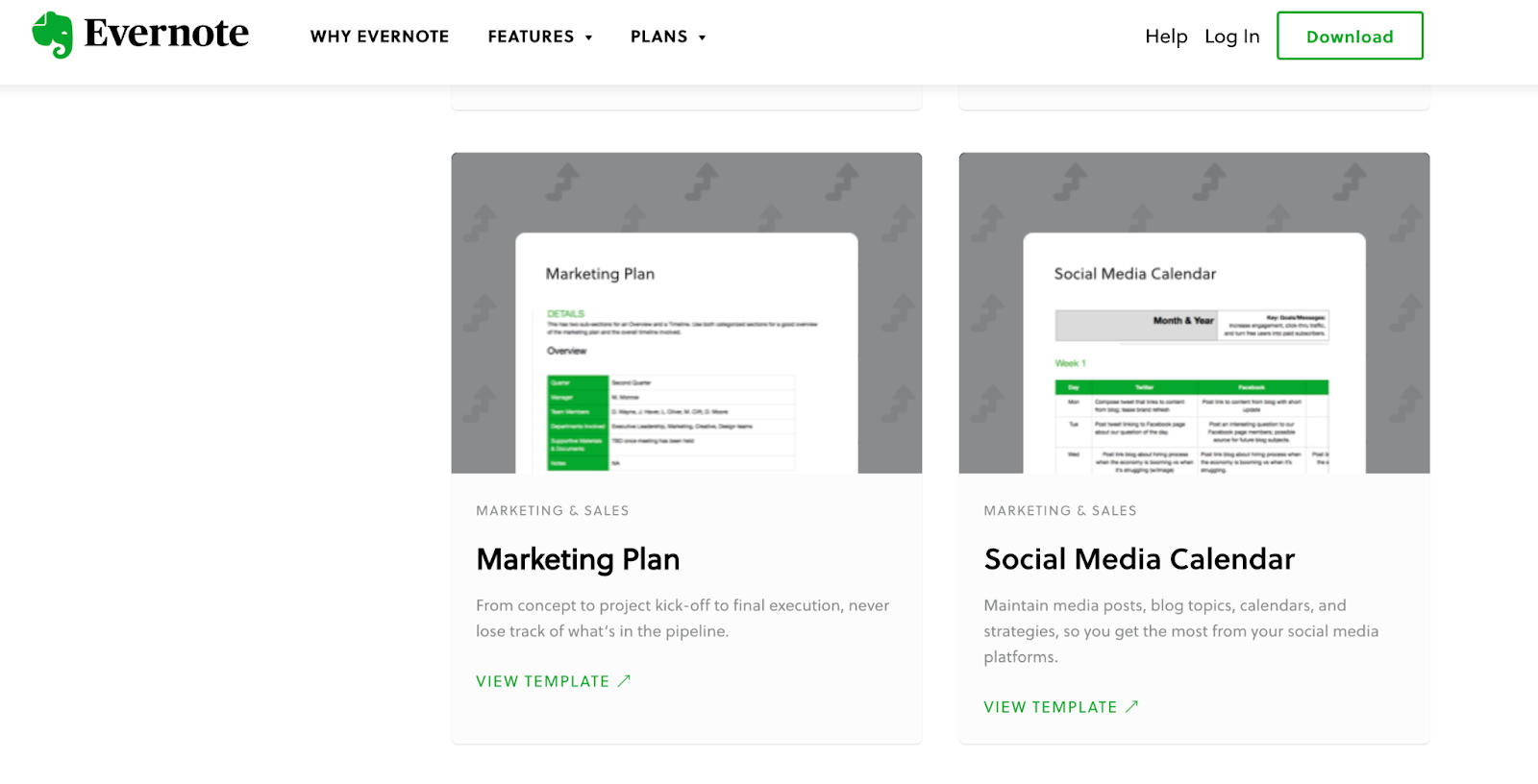
Click here for this Evernote template.
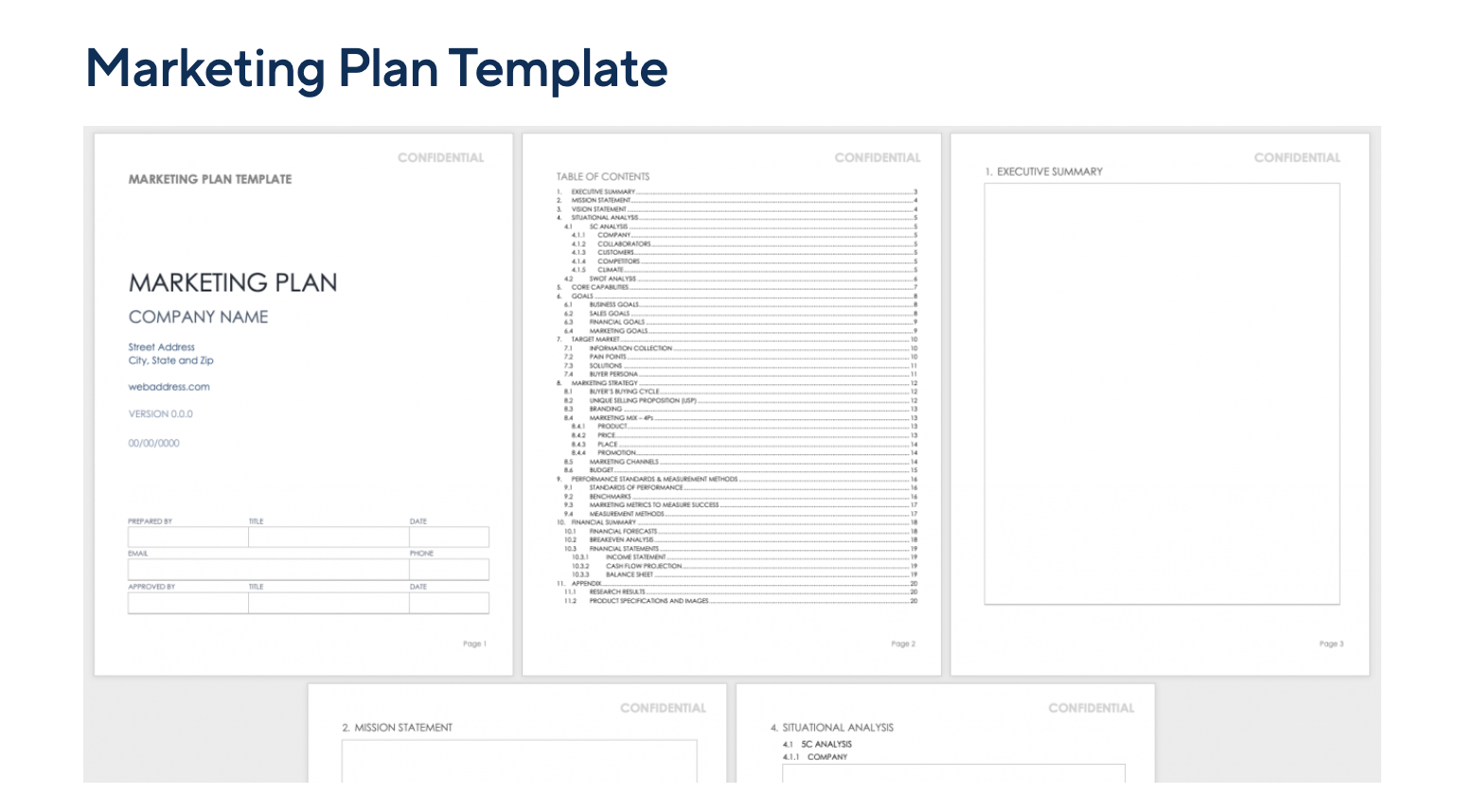
Click here for the Smartsheet template.
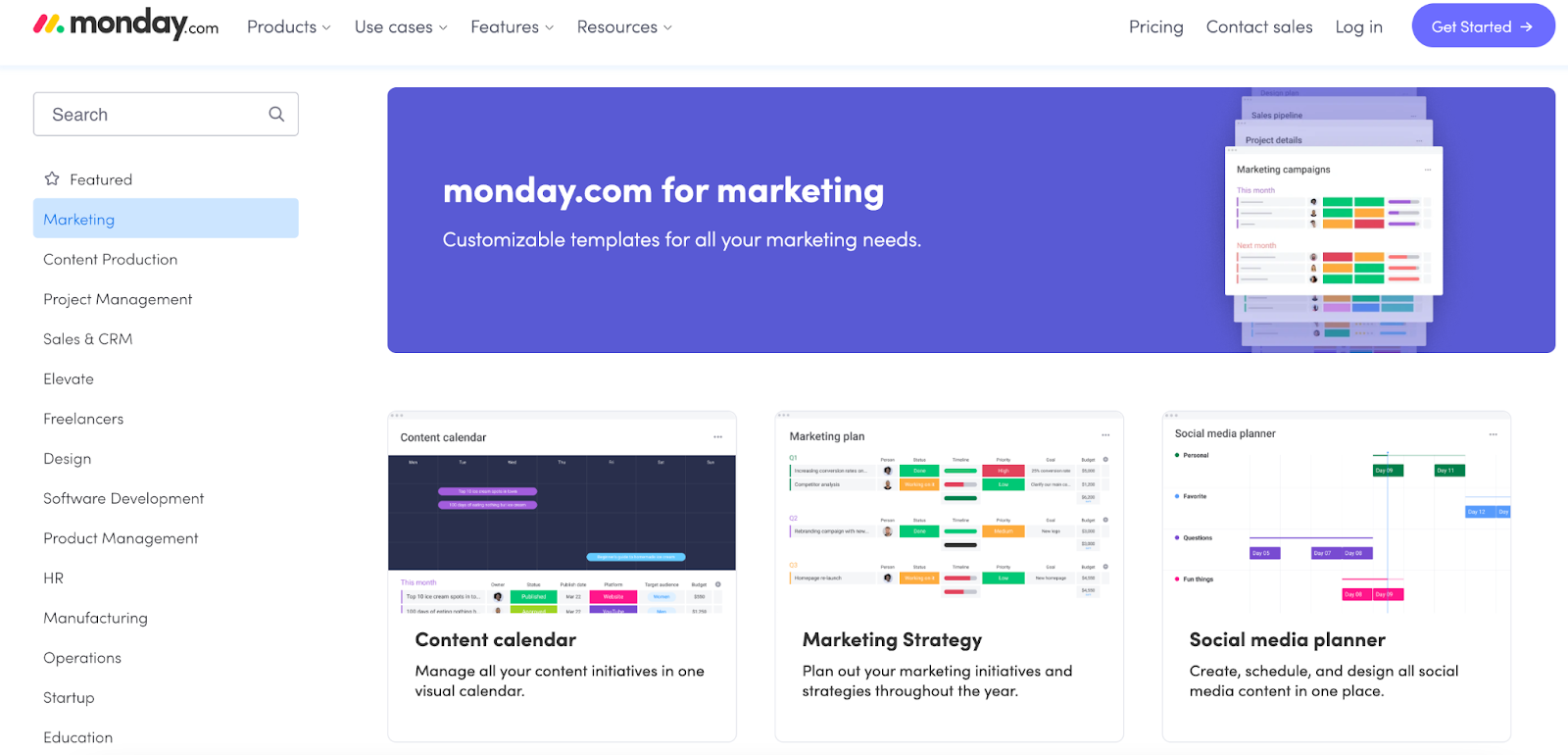
Click here for the Monday template.
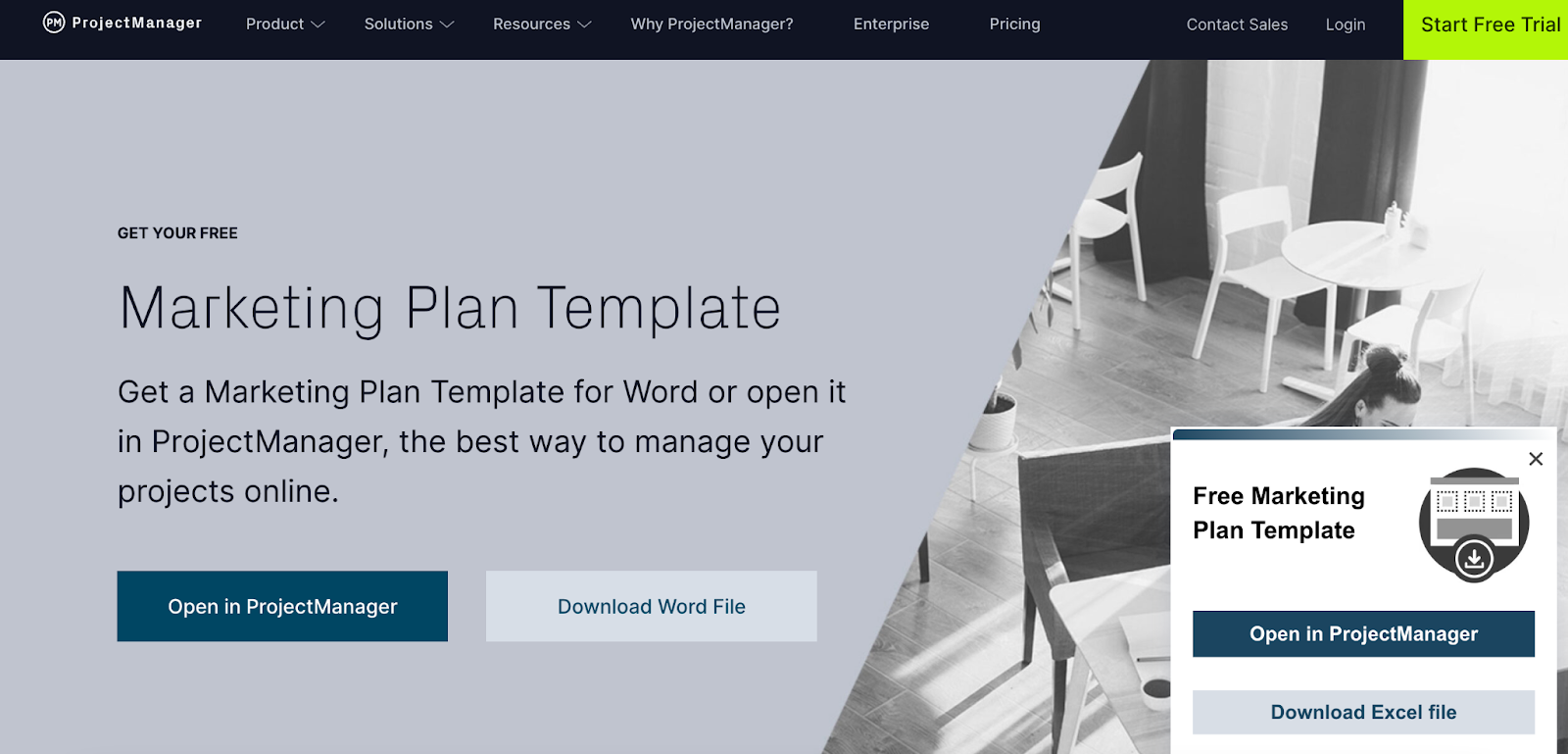
Click here for the ProjectManager template.
Other Marketing Templates
The right marketing plan comes down to which aspect of marketing your business wants to focus on.
And you can find specific plans for specific marketing channels.
Here are a few examples of different marketing plan types:
Social Media Marketing Plan from Hootsuite
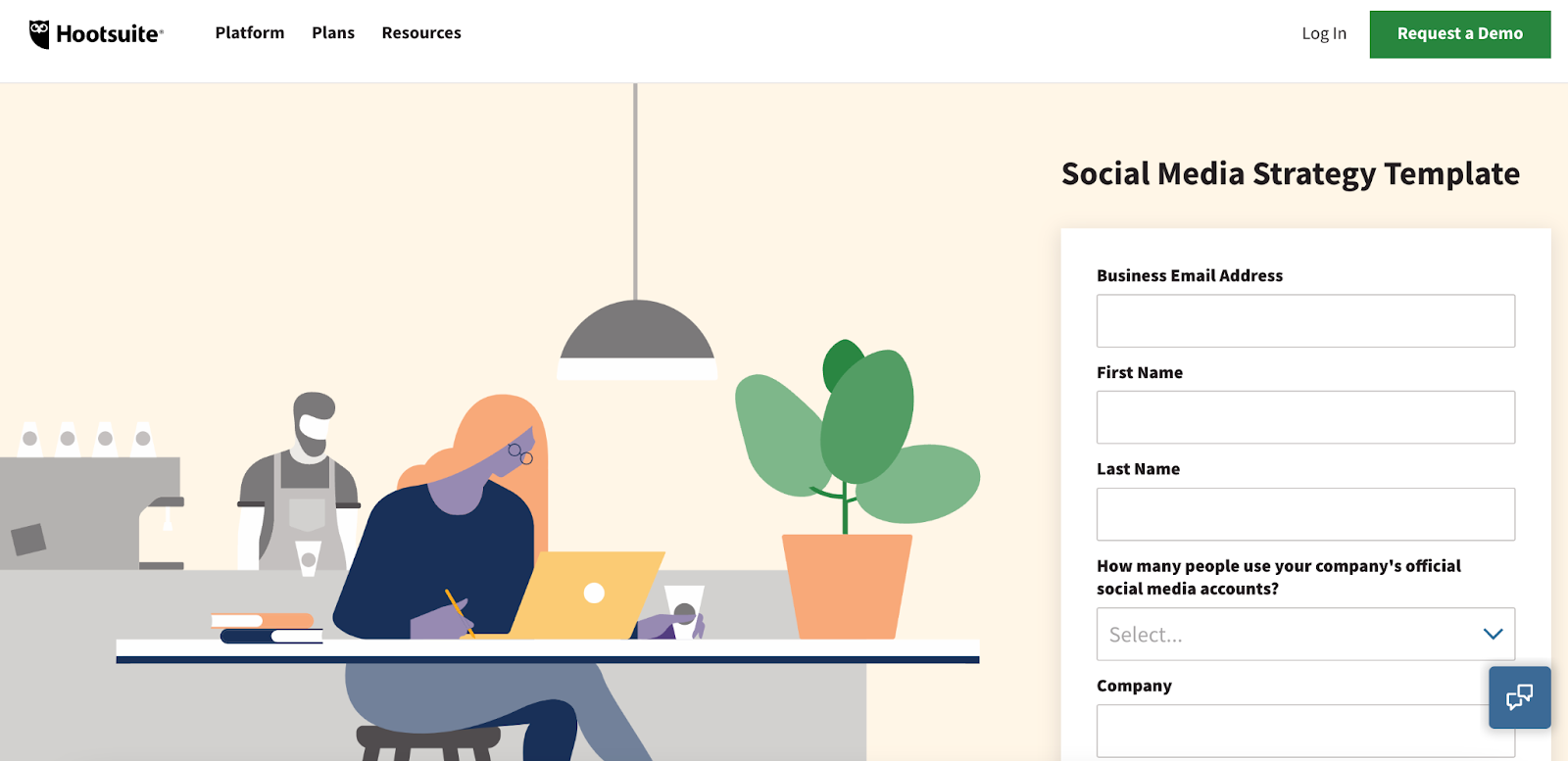
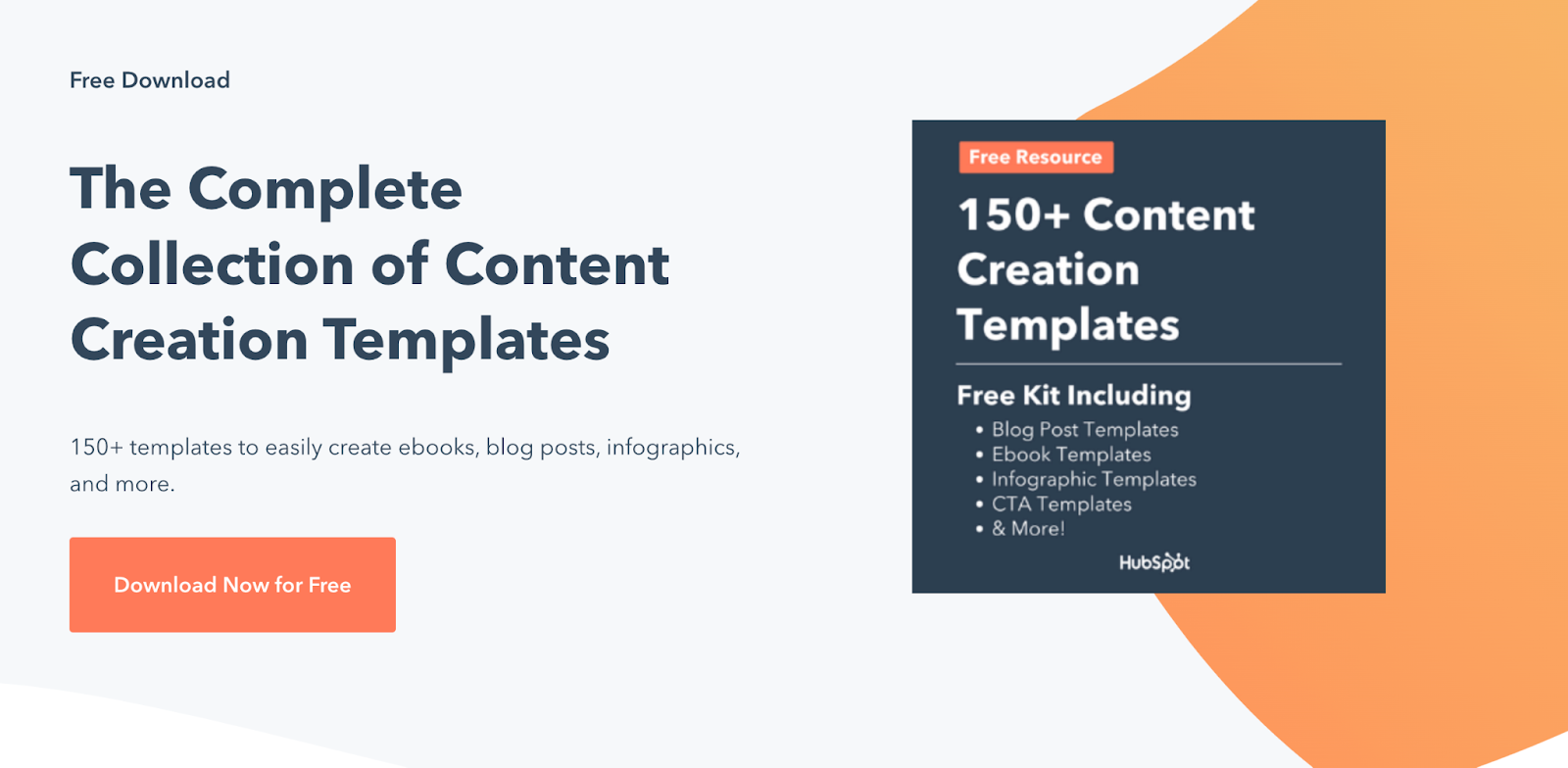
Content Marketing Templates from HubSpot
Email Marketing Planning Template from HubSpot

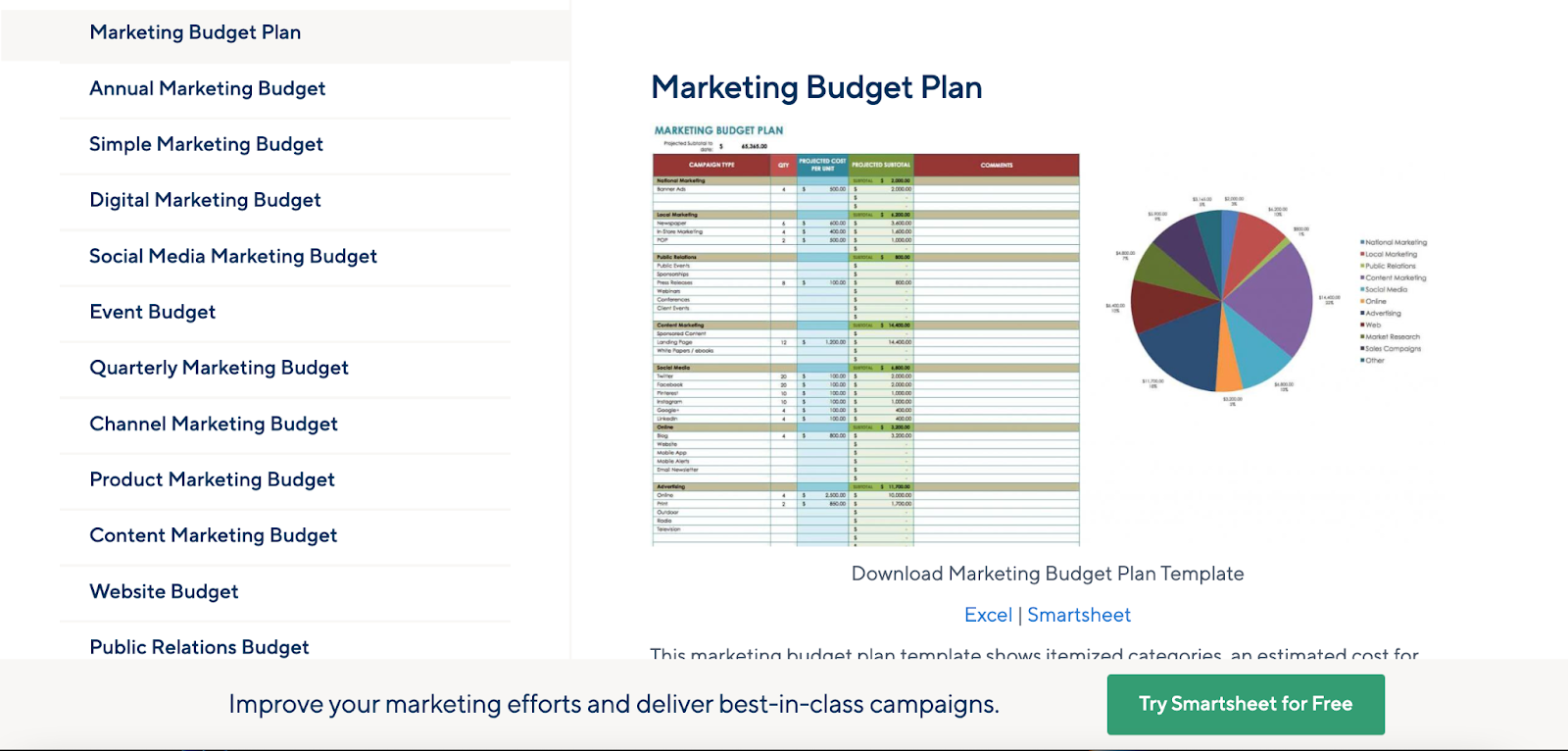
Marketing Budget Templates from SmartSheet
Final Thoughts
That’s it!
We’ve covered our definition of what a marketing plan is and how you can create one.
Have a look at some of the templates suggested in this article and try them to create your very own marketing plan for your business.
For more on marketing be sure to follow our Growth Tribe blog.
And if you’re interested in getting certified as a Digital Marketer or in related niches head over to the website to discover our range of online courses.